Fetal abduction is a horrific crime that occurs when a fetus is forcibly removed from a woman’s womb, usually via a cesarean section, and taken by another person. It’s very rare, but in the last decade the number of fetal abductions has doubled. Savanna LaFontaine-Greywind was a victim of one of these brutal crimes in 2017.
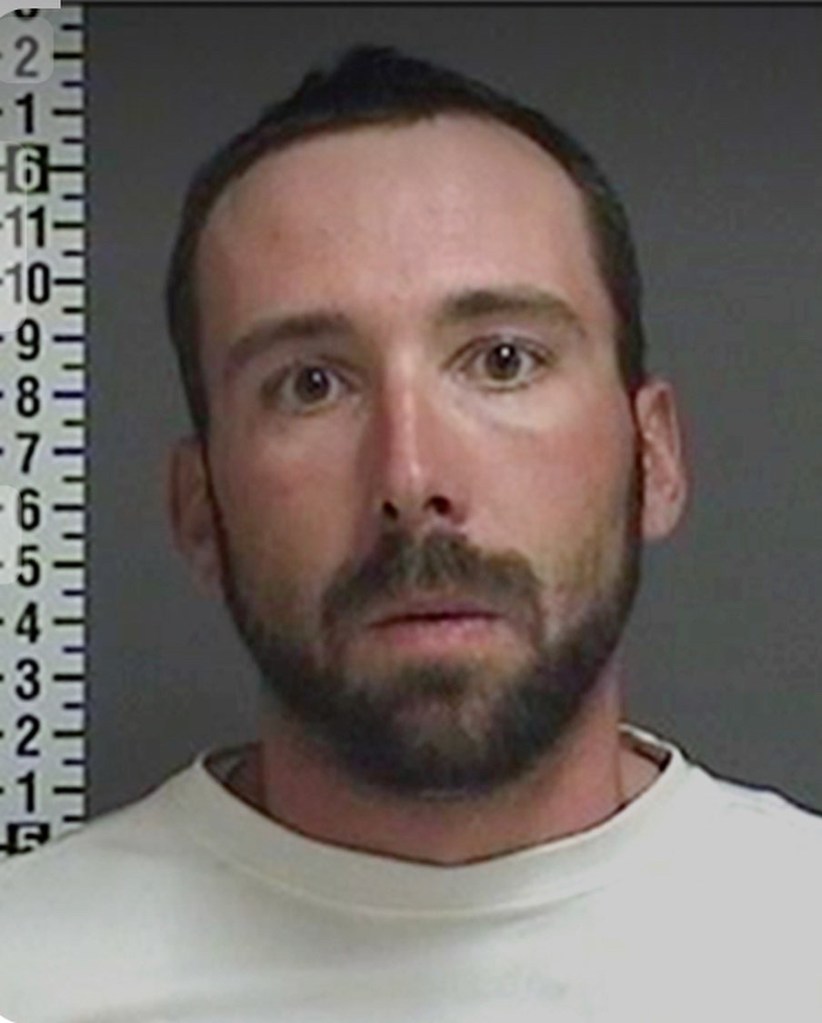
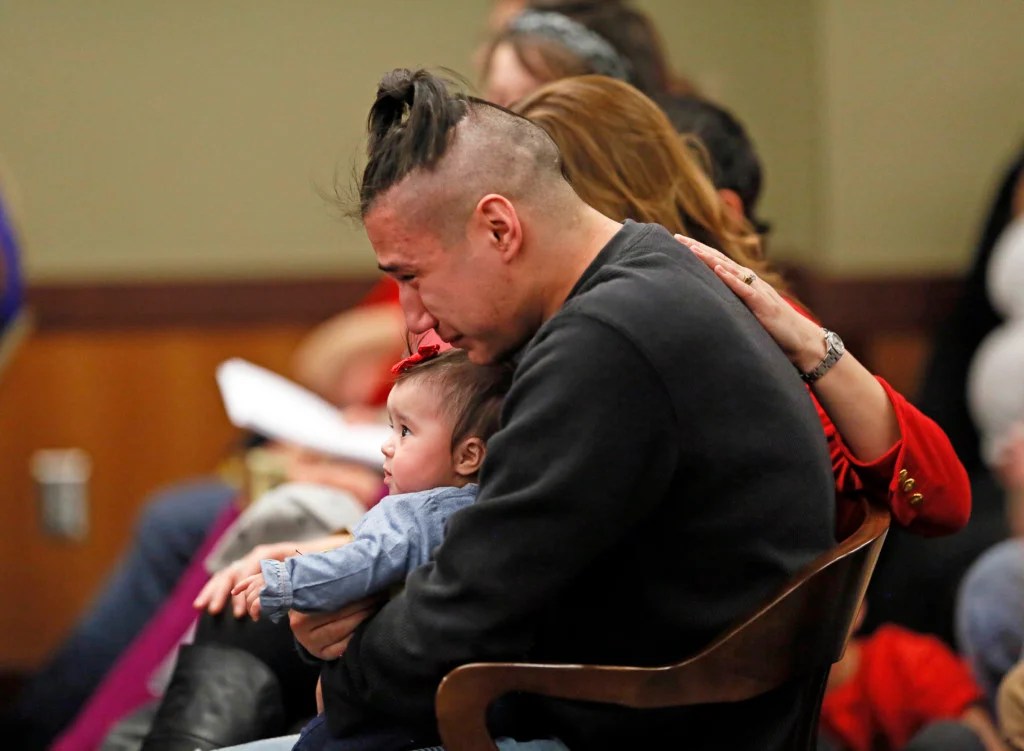
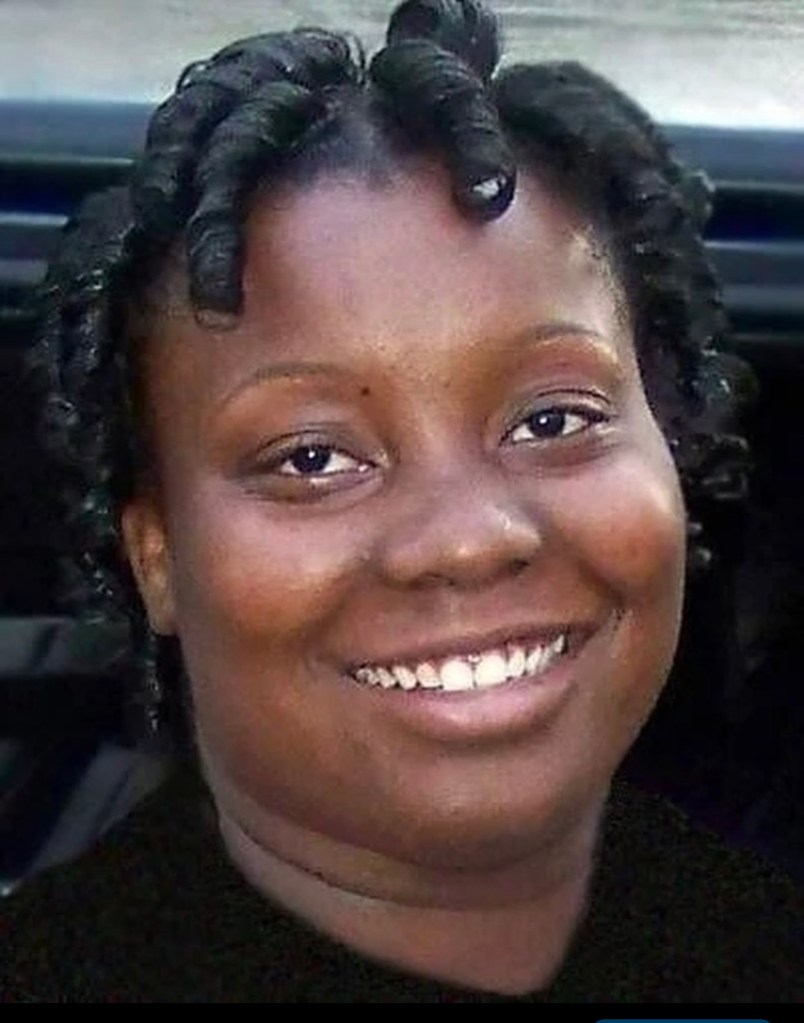
Savanna LaFontaine-GreywindSavanna showing off her pregnant bellyAnother picture of SavannaAshton and Haisley JoWilliam HoehnBrooke CrewsAshton and Haisley Jo in the courtroomWilliam HoehnBrooke CrewsAshton and Haisley Jo
When a young mother disappeared on her way home from work in 2010, the leads dried up quickly and the case went cold. Thanks to her family’s persistence and diligence, they were able to find the perpetrators and seek out justice in the loss of their loved one.
In July of 1989, four people were murdered across three states. Investigators were able to connect the crimes quickly and apprehended a suspect in record time. But when a fifth victim turns up dead in another state with the prime suspect still in police custody, the investigation was rapidly pulled in a new direction.
In July of 1990, a 35-year-old mother went missing seemingly out of nowhere and left behind very few clues about her disappearance. A long 23 years would pass before her killer was revealed and tried for his crime and she would finally be granted justice – all because of the perseverance of her only daughter, who was only 10 years old when her mother disappeared.
Ward, Clifford. “Daughter’s Quest Leads to Charges for Father.” Chicago Tribune, 28 July 2008, pp. 2–1-2–2. Newspapers.com, Aurelio Montano. Accessed 1 July 2022.
Pett, Jennifer. “2 Charged in Deaths of Man, Woman.” The Times, 5 July 1996, pp. 1–3. Newspapers.com, Aurelio Montano. Accessed 30 June 2022.
Roe, Robin Anne. “Defendant’s Nephew Testifies of Killings .” Chicago Tribune, 22 May 1998, p. 8. Newspapers.com, Aurelio Montano. Accessed 1 July 2022.
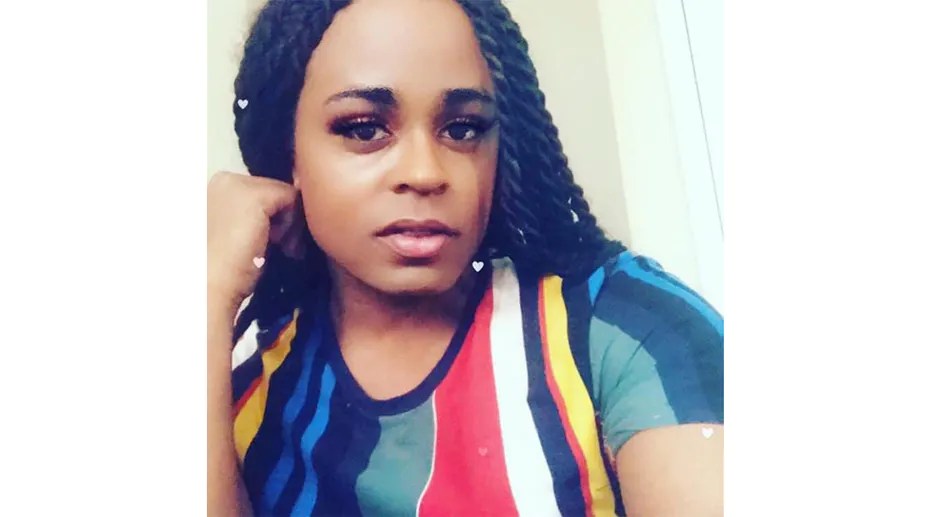
June is pride month, a month when the LGTBQIA+ community is supposed to be able to celebrate their truth. But being part of a marginalized community increases the likelihood of falling victim to a hate crime. This is even more true for intersectional communities, and no one is more at risk than trans women of color. This week, we’re highlighting victims that so often don’t get their stories told, and today we start by saying Brayla Stone’s name.
If you or someone you know needs support or resources, please visit Transgender Resources | GLAAD and reach out to advocates near you.
On June 5, 1974, Catherine “Cathy” Lynne Sjoberg had just completed her junior year of high school and was attending her prom. After a disagreement with her boyfriend, she stepped outside for a breath of fresh air. She was never seen again. Six years later, two more teenagers would disappear from the same venue. In this episode we discuss what may have happened to Cathy Sjoberg and the unexpected connection found decades later with a known serial killer.
Cathy Sjoberg, circa 1974Cathy SjobergAge-progressed photo of Cathy Sjoberg, circa 2012Missing person flyer for CathyEdward Edwards mug shot as a young manEdward Edwards at trial for the murder of his foster son
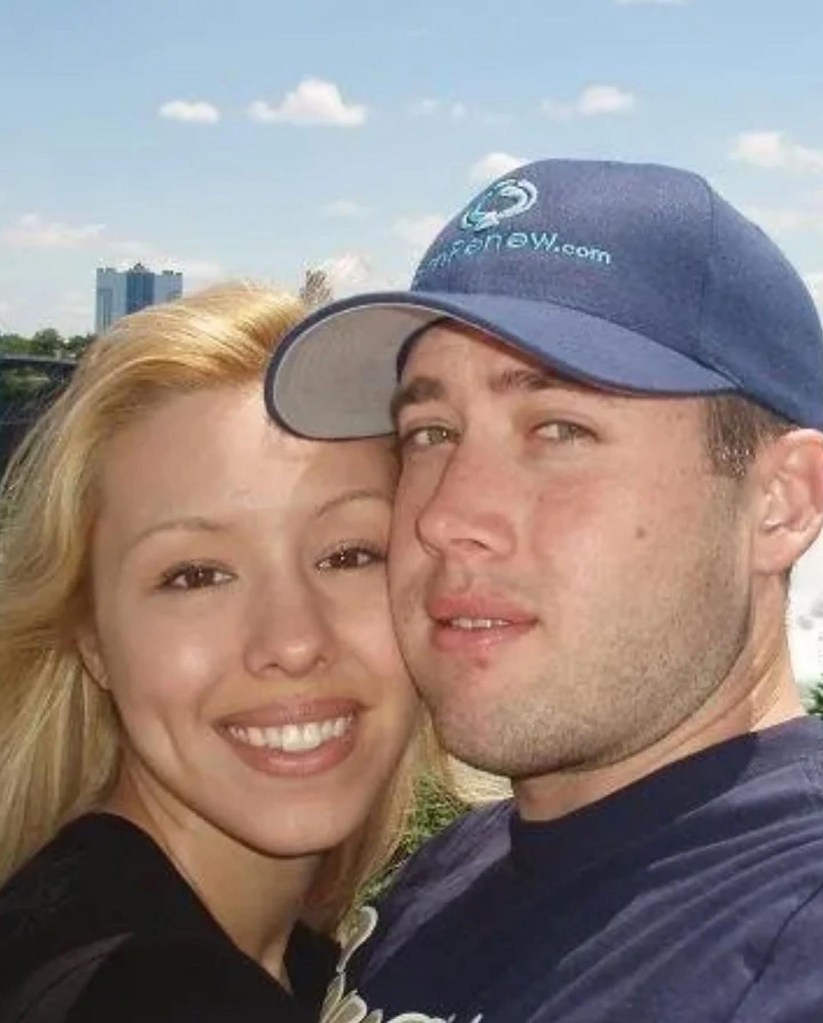
Travis Alexander took his difficult childhood and used his trauma as a jumping off point to go after the life he wanted. He was happy and successful in his career, but his on-again, off-again girlfriend was a constant source of drama. When Travis was murdered on June 4, 2008, his friends and family pointed to the one person they believed was capable of the crime – Jodi Arias.
When an ER nurse is reported missing after not showing up to work on May 18, 2002, the search for Jan Scharf begins. Her estranged husband, Glyn Scharf, is quickly identified as the last person to have had contact with her. While he is not initially believed to be a suspect, as the investigation continues, truths begin to be revealed.
Years after the media onslaught regarding Gary Condit, a new suspect came to light in the Chandra Levy case; A Salvadoran immigrant named Ingmar Guandique. Who was this man and why did he remain hidden from police’s radar for so long? Today we conclude our coverage of the May 1, 2001 murder of Chandra Levy.
Much of the detailed information we were able to relay in this episode came from a 13-part investigative report done by The Washington Post. If you want even more information, we highly recommend reading this series, which you can do here.
On April 23rd, 1996, a divorced mother traveled from her apartment in Virginia to her ex-husband’s home in Maryland, planning to pick up their child for a custody exchange. Doris Fay Lentz was never seen alive again.
United States Court of Appeals, Fourth Circuit. United States of America, Plaintiff-Appellee, v. Jay E. Lentz, Defendant-Appellee. 12 May. 2008. Find Law, https://caselaw.findlaw.com/us-4th-circuit/1204354.html. Accessed 12 Apr. 2022.

























 Calendar of Crime